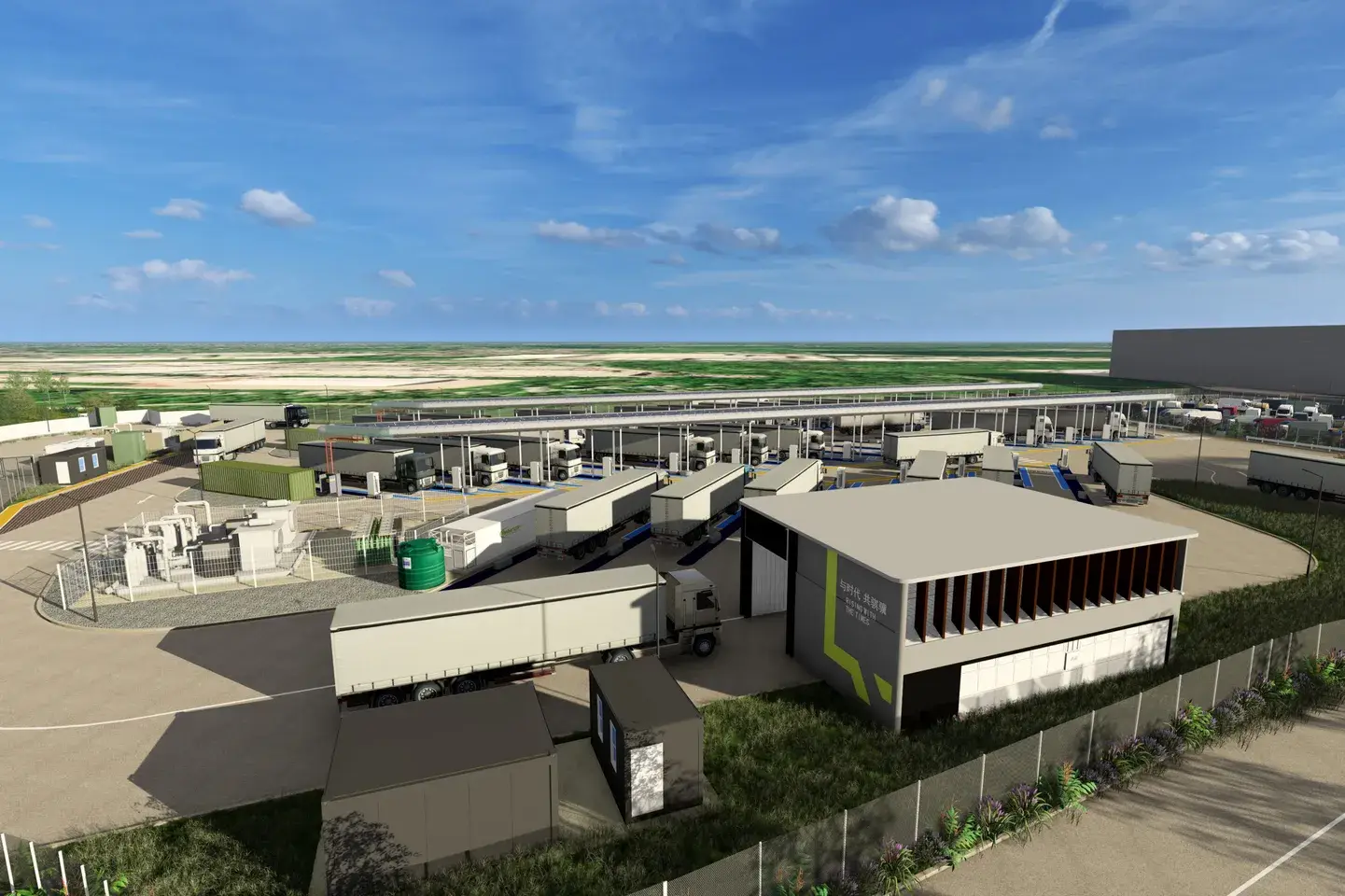
Zeti is collaborating with Imperial College London and Aegis Energy on a new feasibility study exploring battery swapping for heavy duty electric vehicles.
The project, funded through the UK Council for Automotive Academic Research (UKCAAR) via the UK government’s DRIVE35 programme and the Advanced Propulsion Centre UK, will examine the technical, operational and commercial feasibility of battery swapping as a complement to fast charging.
Led by researchers from Imperial’s Dyson School of Design Engineering and the Grantham Institute, the study will explore whether battery swapping could help reduce vehicle downtime, manage grid demand and support the wider transition to electric freight.
While battery technology and charging infrastructure continue to evolve, commercial deployment remains a critical challenge for heavy duty transport. Battery swapping introduces new considerations around infrastructure utilisation, energy demand and operating models such as battery-as-a-service.
Zeti’s contribution to the study focuses on the broader commercial and operational considerations surrounding freight decarbonisation, including how models such as battery-as-a-service could function in practice. The project aims to help build the evidence needed to assess whether these approaches can support real-world deployment at scale.
“Decarbonising freight is as much a commercial and infrastructure challenge as it is a technical one,” said Dan Saunders, founder and chief executive at Zeti. “Work like this is essential to understanding whether models such as battery-as-a-service can operate at scale, and how real-world data and economics shape that transition.”
The feasibility study runs until July 2026 and also includes participation from global battery and truck manufacturers.
Read Imperial College London’s full announcement here.